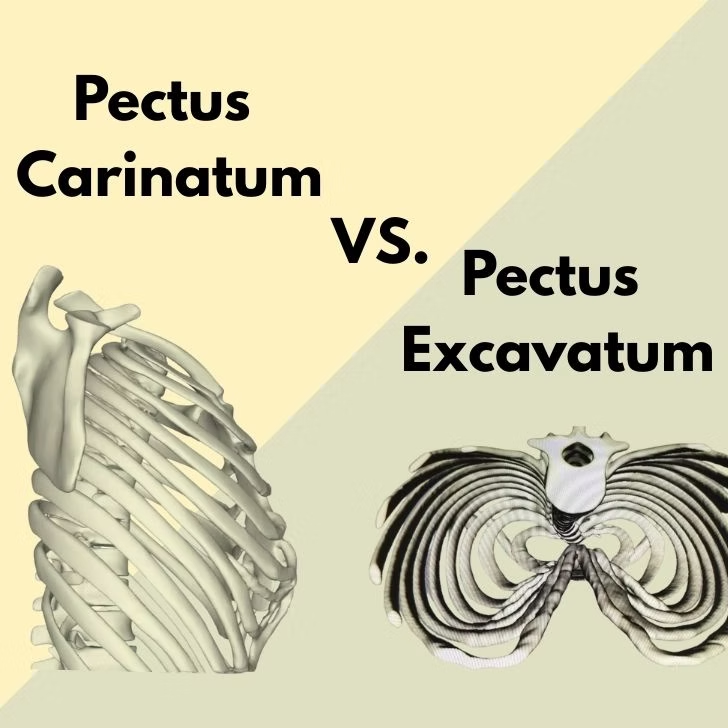
Pectus Excavatum vs. Pectus Carinatum: Key Differences
Understand pectus excavatum vs. pectus carinatum: causes, symptoms, incidence, and treatment differences.
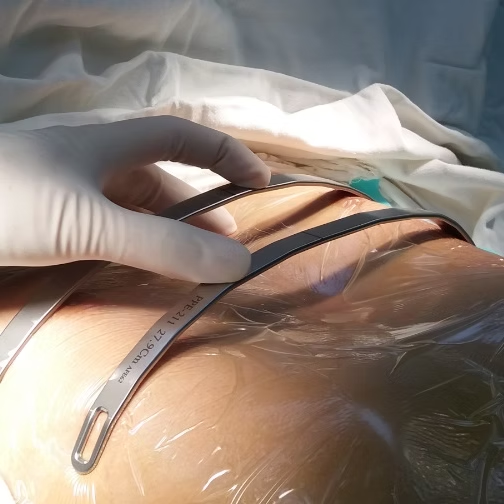
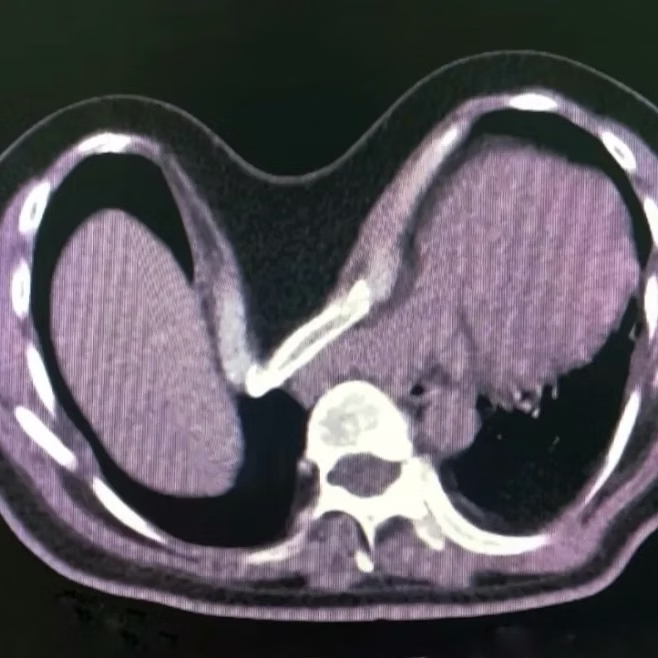
Expert guide to the 3 leading minimally invasive surgeries for pectus excavatum—Nuss, Wang, Wung procedure—covering indications, techniques, risks, recovery & rehab tips.
Get clear-cut answers in this Pectus Excavatum FAQs: learn what pectus excavatum is, its genetic links, symptoms, whether it worsens with age, and proven non-surgical & surgical treatments.
Repeated paradoxical breathing during asthma attacks may contribute to the development of pectus excavatum in young children.
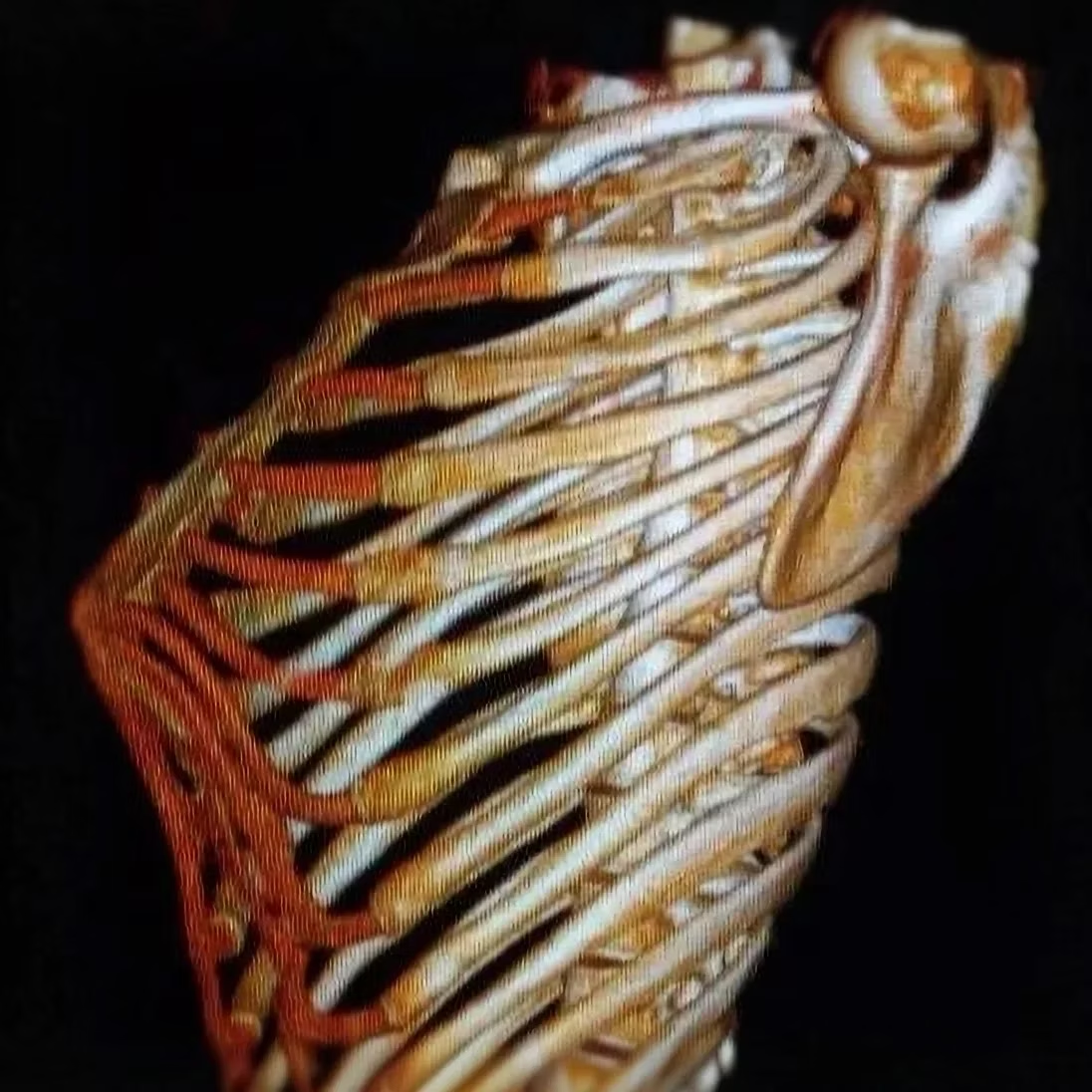
Not all pectus excavatum presents in the same way. From narrow indentation to wide, extending depression — this common chest wall deformity appears in many forms. Understanding the differences is the first step toward the right treatment. Symmetrical Pectus Excavatum Symmetrical pectus excavatum is characterized by a centrally located depression in the lower anterior chest wall, with the deepest point typically at the sternum or xiphoid process, and in some cases, below the
Pre-shaping is a surgical technique developed by Dr. Wenlin Wang to reduce bone rigidity in chest wall deformity correction. By adjusting the thoracic structure before bar placement, it improves safety, reduces complications, and enhances outcomes in patients with severe or rigid deformities.
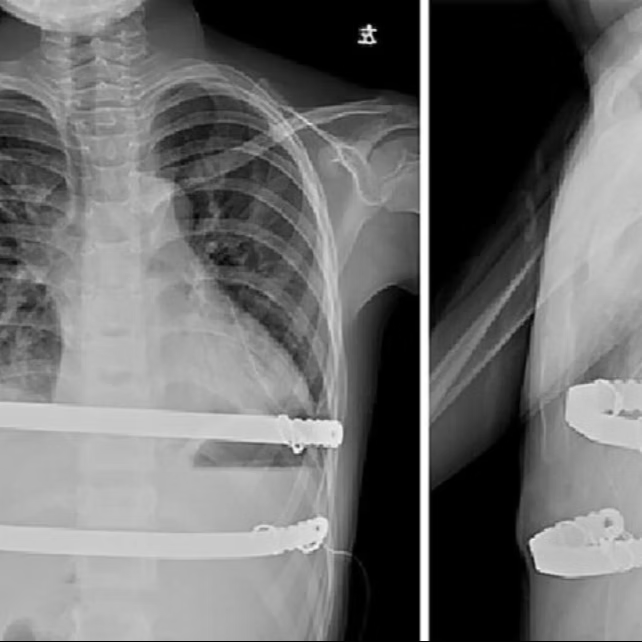
The Wung procedure is an advanced minimally invasive technique for pectus excavatum repair that differs significantly from the traditional Nuss procedure. By using safer bar placement methods, secure wire fixation, and pre-shaping techniques, the Wung procedure reduces the risk of heart injury, bar displacement, and complications while achieving more effective correction in severe and adult chest wall deformities.
Bars implanted during the Nuss procedure are generally well tolerated and rarely cause discomfort. However, improper bar placement, contamination, or external trauma may lead to pain, inflammation, or tissue irritation. In severe cases, early bar removal may be considered, although optimal chest wall shaping is typically achieved after long-term implantation.
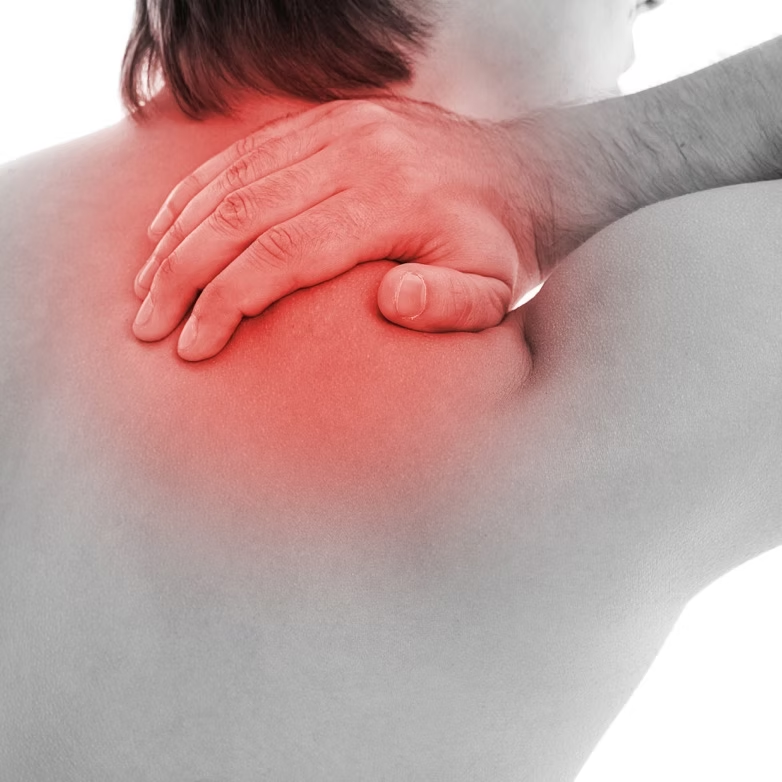
Thoracic outlet syndrome (TOS) may occur after the Nuss procedure due to compression of nerves and blood vessels near the thoracic outlet. Patients may experience numbness, pain, or discomfort in the neck, shoulders, and upper limbs. Most symptoms can be relieved with conservative treatments and gradually improve as compression decreases.
Proper nutrition plays a vital role in surgical incision healing. High-quality protein, zinc, and vitamins C, E, and B help promote collagen synthesis, support tissue repair, reduce inflammation, and accelerate recovery after surgery. A balanced postoperative diet rich in protein, fruits, vegetables, nuts, and whole grains can significantly improve wound healing outcomes.